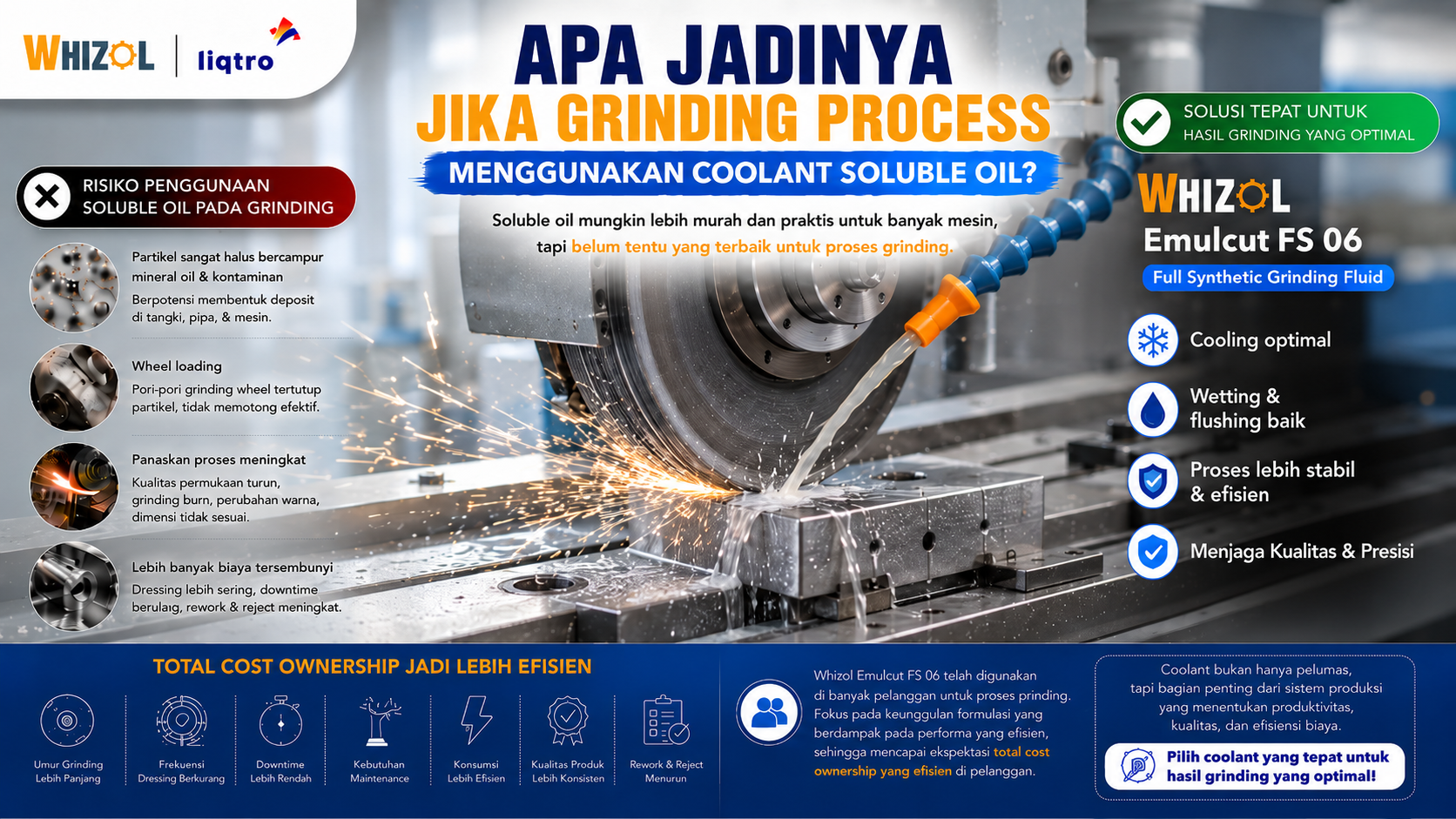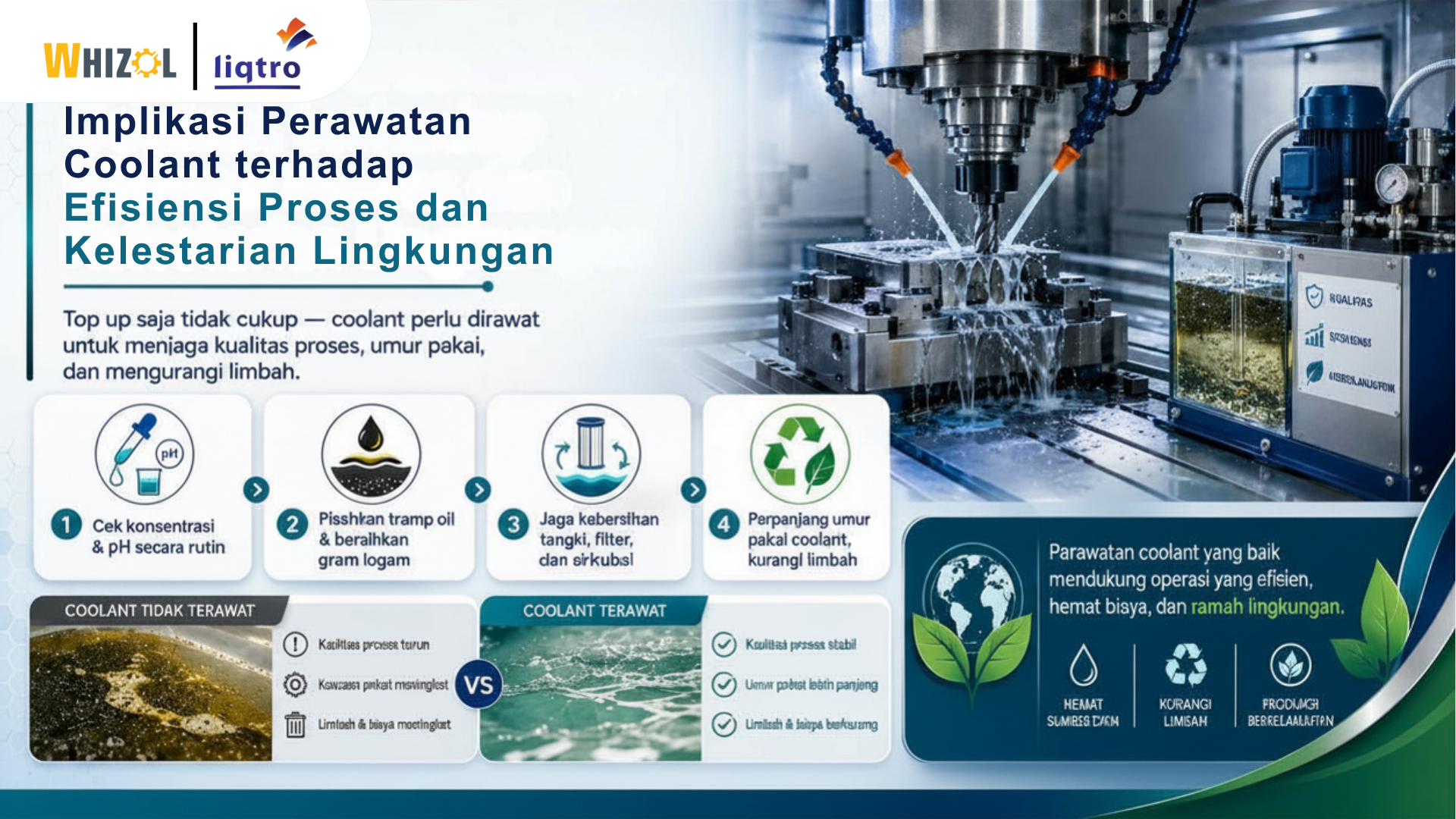



In Electrical Discharge Machining (EDM) operations, many companies focus on the machine and machining parameters, but often overlook one crucial factor: the condition of the dielectric fluid. This fluid plays a vital role in cooling the cutting area and carrying away small material particles from the spark discharge point. However, when the fluid begins to emit an unpleasant odor, we immediately blame the machine, when in fact it could be due to the fluid being contaminated or degraded.
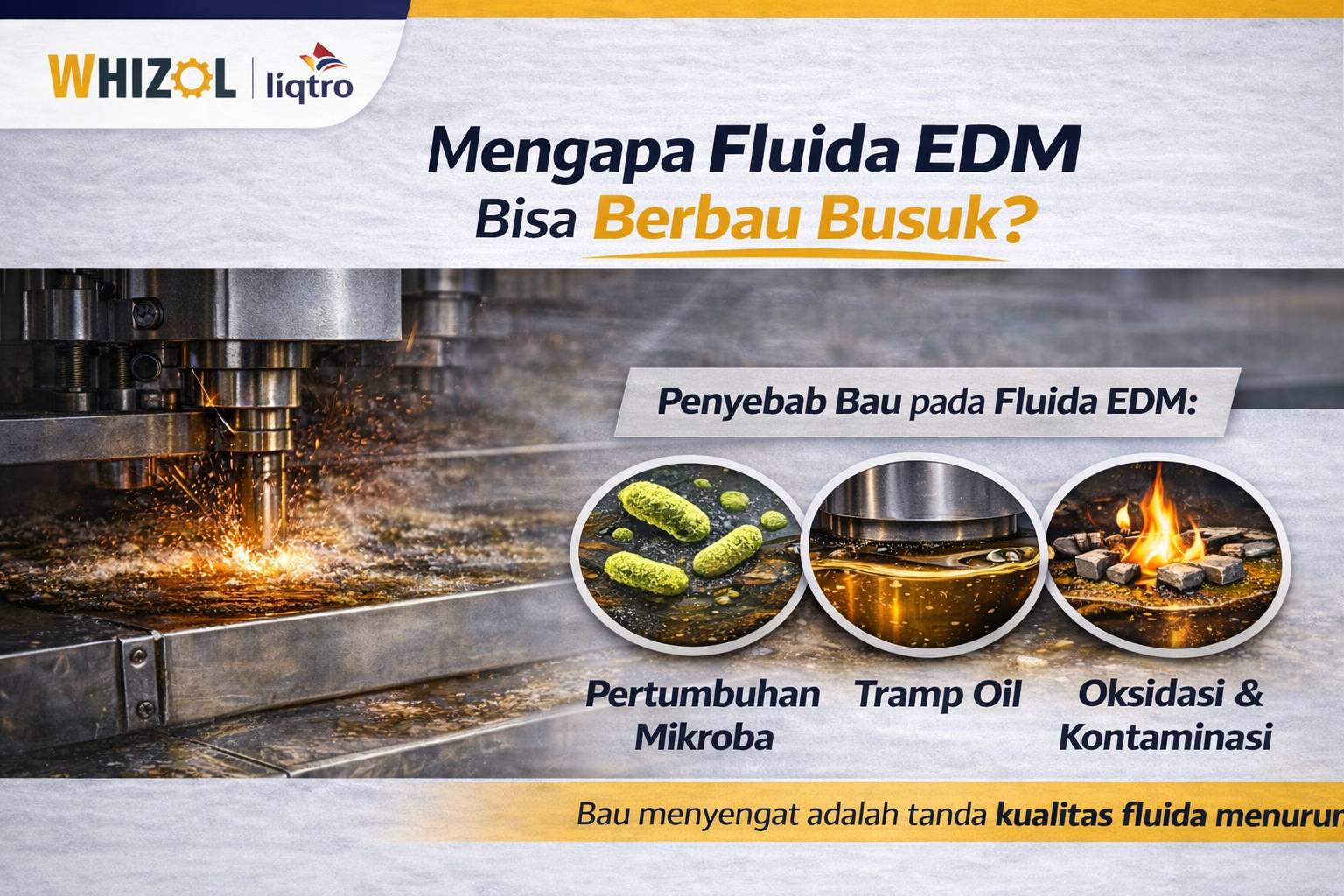
Ideally, EDM fluids are designed to have a low odor and be stable against oxidation. This means that the appearance of a strong odor is an early sign of a decline in quality. In many cases, the primary cause is microbial growth. This condition is common in water-based systems or fluids that have been contaminated with various substances. The presence of tramp oil—foreign oil floating on the surface—exacerbates the situation by blocking oxygen supply and promoting the growth of odor-causing anaerobic bacteria.
In addition to microbes, the accumulation of contaminants such as metal fines, sludge, and debris also plays a significant role. These particles not only interfere with the filtration system but also provide an ideal breeding ground for bacteria and fungi. Stagnant areas within the circulation system further accelerate this process.
With oil-based fluids, the causes are slightly different. Odors can arise from oxidation and thermal degradation triggered by high temperatures, water contamination, and metal particles. Over time, these conditions will alter the fluid’s characteristics—from color and viscosity to machining performance.
For the industry, odor in EDM fluids is not merely a matter of comfort, but a critical indicator that directly impacts process stability, product quality, and fluid lifespan. Ignoring this sign can lead to reduced production efficiency and increased operational costs.
How to Prevent It?
The best approach is preventive maintenance. Conduct routine inspections of the fluid’s odor, color, and clarity. Ensure the tank is free of sludge and debris, and that the filtration system is operating optimally. Tramp oil must be removed immediately before it causes further contamination. Additionally, control the temperature and prevent water or contaminants from entering the system.
Equally important, when changing the fluid, do not simply top it off. A thorough cleaning of the tank and system is essential to ensure the new fluid performs optimally without being contaminated by old residues.
With proper management, EDM fluid not only lasts longer but also maintains stable machining performance, delivering consistent results and higher efficiency for your operations.
Email : sales@whizol.com
Instagram : @whizol
Facebook : Whizol
Notulen : Etika Puspita Sari
Share this Article