


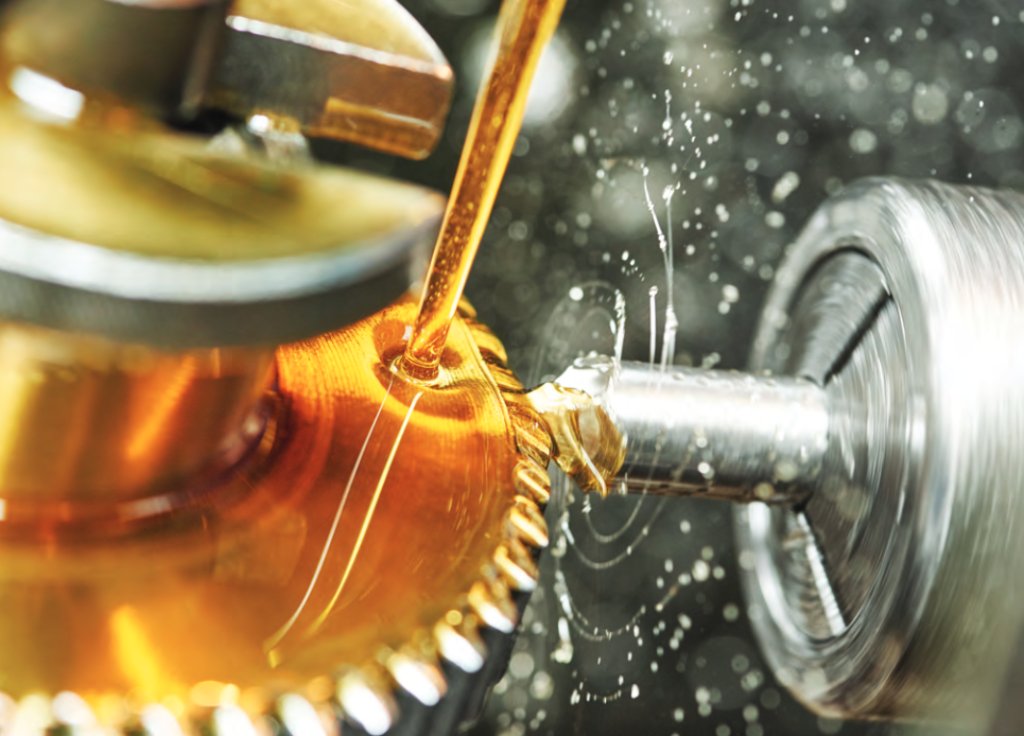
Industrial lubrication is one of the highest-leverage maintenance levers in a plant: when the right lubricant is selected, kept clean, and monitored, you reduce wear, stabilize temperatures, and prevent surprise breakdowns.
This article is a practical, field-friendly industrial lubrication checklist you can apply to gearboxes, hydraulic systems, compressors, bearings, and circulating oil systems.
1) Start with the OEM spec (then validate it)
OEM recommendations are the best starting point, especially for:
- ISO VG viscosity grade
- Required performance level (AW, EP, R&O, etc.)
- Seal / material compatibility notes
If the machine has been modified or runs outside standard conditions (high load, high heat, dusty environment), treat the OEM spec as a baseline and validate using operating data and oil analysis.
2) Confirm the operating temperature
Viscosity is temperature-dependent. If you don’t know the typical sump temperature, you’re guessing the real film thickness.
- Record typical operating temperature during normal production
- Record cold-start behavior (flow, pressure stability, alarms)
3) Choose the correct viscosity (ISO VG) first
Most reliability problems start with the wrong viscosity.
- Too low: film collapse → wear, noise, scuffing risk
- Too high: fluid drag → heat, energy loss, starvation risk at start-up
If you’re deciding between ISO VG 46 vs 68, use operating temperature and load to guide the decision, then confirm with oil analysis trends.
4) Match additive chemistry to the job (AW vs EP vs R&O)
Common patterns:
- Hydraulics: AW is typical
- Circulating / turbines: R&O is common
- Loaded gearboxes: EP is often required
Avoid “overspecifying” chemistry if it creates compatibility issues or unnecessary cost.
5) Control contamination like a process, not a cleanup
Oil doesn’t fail only because it ages — it fails because it gets contaminated.
Prioritize:
- Better filtration (correct micron rating for system sensitivity)
- Proper breathers (including desiccant breathers when moisture is a risk)
- Closed transfer and clean storage practices
6) Treat water as a critical defect
Water accelerates corrosion, depletes additives, and destabilizes film strength.
Actions:
- Identify entry points (washdown, condensation, cooler leaks)
- Measure water content in analysis (don’t rely on appearance)
- Remove water proactively (separation / dehydration / timely change-out)
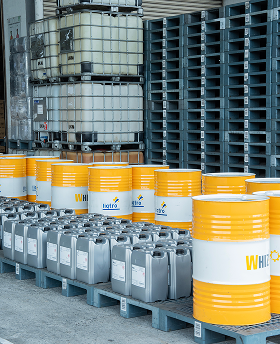
7) Standardize storage, labeling, and transfer
The fastest “ROI” improvement in lubrication programs is often in the lube room.
Minimum standard:
- Clear labels for each lubricant (grade + application)
- Dedicated transfer containers per lubricant
- Keep containers sealed and clean
- FIFO inventory to reduce aging stock
8) Prevent mixing mistakes (especially with grease)
Mixing incompatible products can cause thickener collapse, separation, or overheating.
If switching grease types:
- verify compatibility
- if unsure, purge/clean during planned downtime
9) Use a realistic change strategy: time-based + condition-based
Calendar-based changes are easy, but often wasteful.
A strong approach is hybrid:
- set a maximum time limit
- trigger earlier change-out based on oil condition (viscosity drift, oxidation, contamination, water)
10) Build a sampling routine (consistency beats perfection)
Sampling is not “testing oil”; it’s trending a system.
Best practices:
- sample from a live, turbulent line when possible
- sample at a consistent interval and operating condition
- track hours on oil and any top-ups
11) Define targets and act on trends
Oil analysis is only valuable when it changes decisions.
Set targets for:
- viscosity range
- water (ppm or %)
- particle count / cleanliness code (ISO 4406)
- wear metals trend
Then tie each out-of-limit result to a specific action (filtration upgrade, breather change, leak investigation, change interval adjustment).
12) Close the loop with reliability KPIs
To keep the program alive, connect lubrication work to outcomes:
- reduction in unplanned downtime
- fewer bearing/gearbox failures
- lower operating temperatures
- stabilized oil consumption and change intervals
FAQ
What’s the #1 mistake in industrial lubrication?
Using the wrong viscosity grade for actual operating temperature and load.
Is “premium oil” better than clean oil?
Clean oil is usually the bigger win. A premium lubricant still fails if it’s contaminated.
How often should we sample oil?
Start with a schedule based on criticality (monthly/quarterly), then adjust based on stability and risk.
Next step
If you want a faster path, start by standardizing your lubricant list, improving handling (closed transfer + labeling), and sampling your most critical assets. Those three steps often deliver the biggest early reliability gains.
Share this Article